A BRIEF HISTORY OF FREEMASONRY
The origins of Freemasonry are unclear, although early Freemasons were influenced by the legends, imagery and customs of medieval stonemasons. Elias Ashmole wrote about his initiation in a Lodge in Warrington in 1646, the first recorded evidence of the initiation of an English speculative mason – notwithstanding the fact that those present and listed would have certainly been initiated at an earlier date. English Freemasonry’s home has been on Great Queen Street since 1775.
United Grand Lodge of England’s headquarters Freemasons’ Hall – originally called the Masonic Peace Memorial – were built between 1927 and 1933, as a memorial to more than 3,000 members of the United Grand Lodge who lost their lives in the First World War.
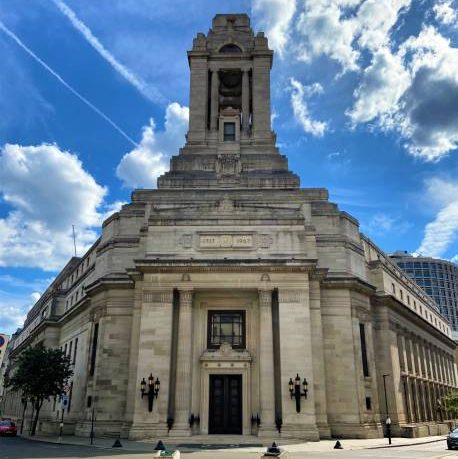
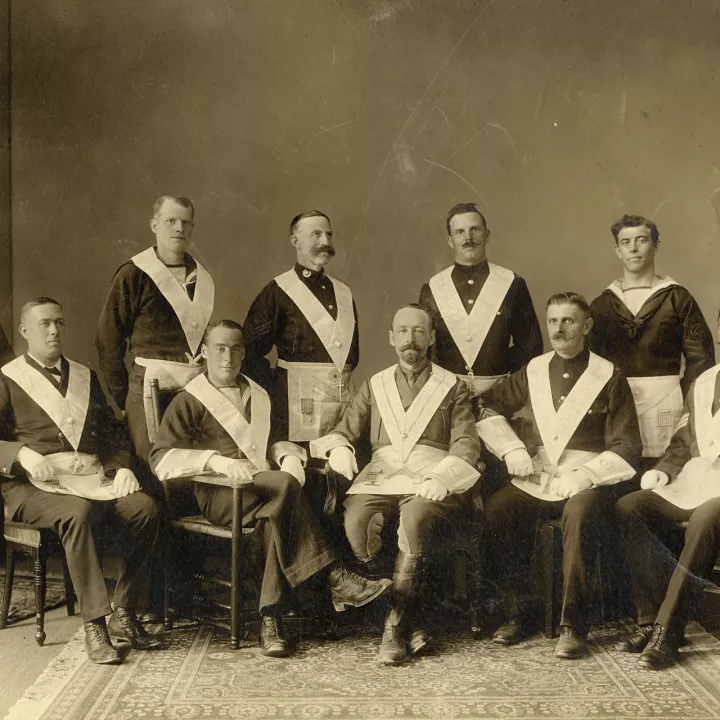
The two World Wars both had a great effect on English Freemasonry. Some 3,533 Freemasons were killed during the First World War, and Freemasons’ Hall (originally the Masonic Peace Memorial) was built in 1933 as a memorial to the fallen. In the three years after the First World War, more than 350 new Lodges were set up; and in the three years after the Second World War, nearly 600 new Lodges came into being. In many cases, the founders were servicemen who wanted to continue the camaraderie they had built up during their war service and were looking for a calm centre in a greatly changed and changing world.
Athelstan 4024
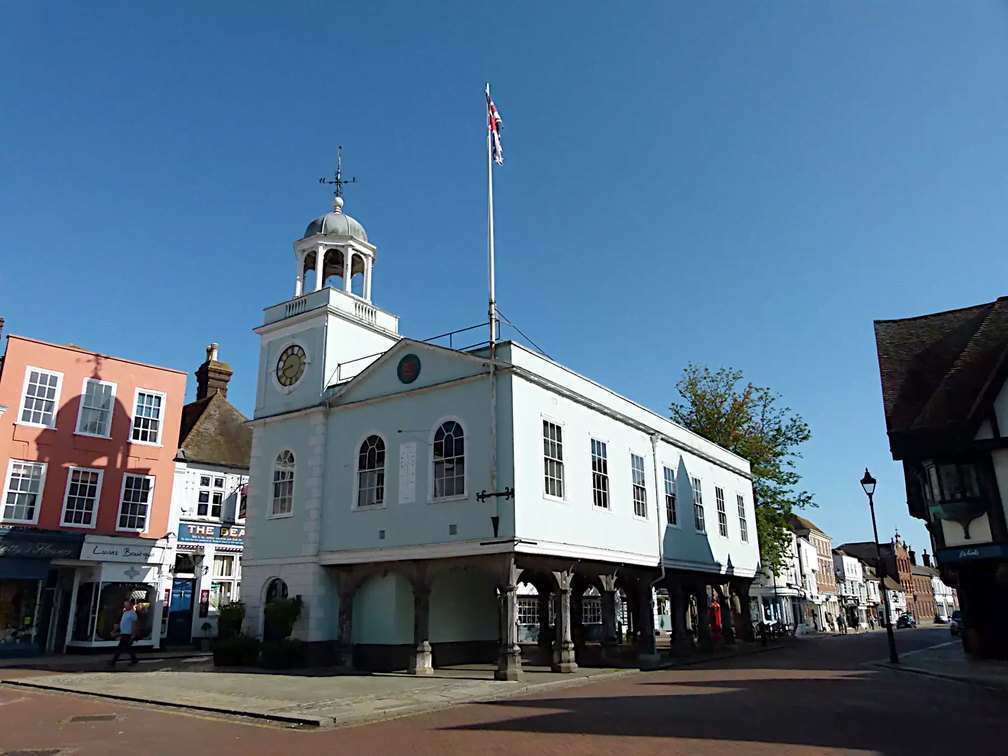
Athelstan Lodge No. 4024 is a thriving Masonic lodge based in the historic Old Grammar School in Faversham, Kent. Consecrated in the year 1920, the Lodge has proudly upheld the values of Freemasonry — brotherhood, integrity, respect, and charity — for over a century.
We are part of the Province of East Kent under the United Grand Lodge of England, and our members come from all walks of life. What unites us is a shared commitment to personal development, community service, and supporting one another through the journey of Freemasonry.
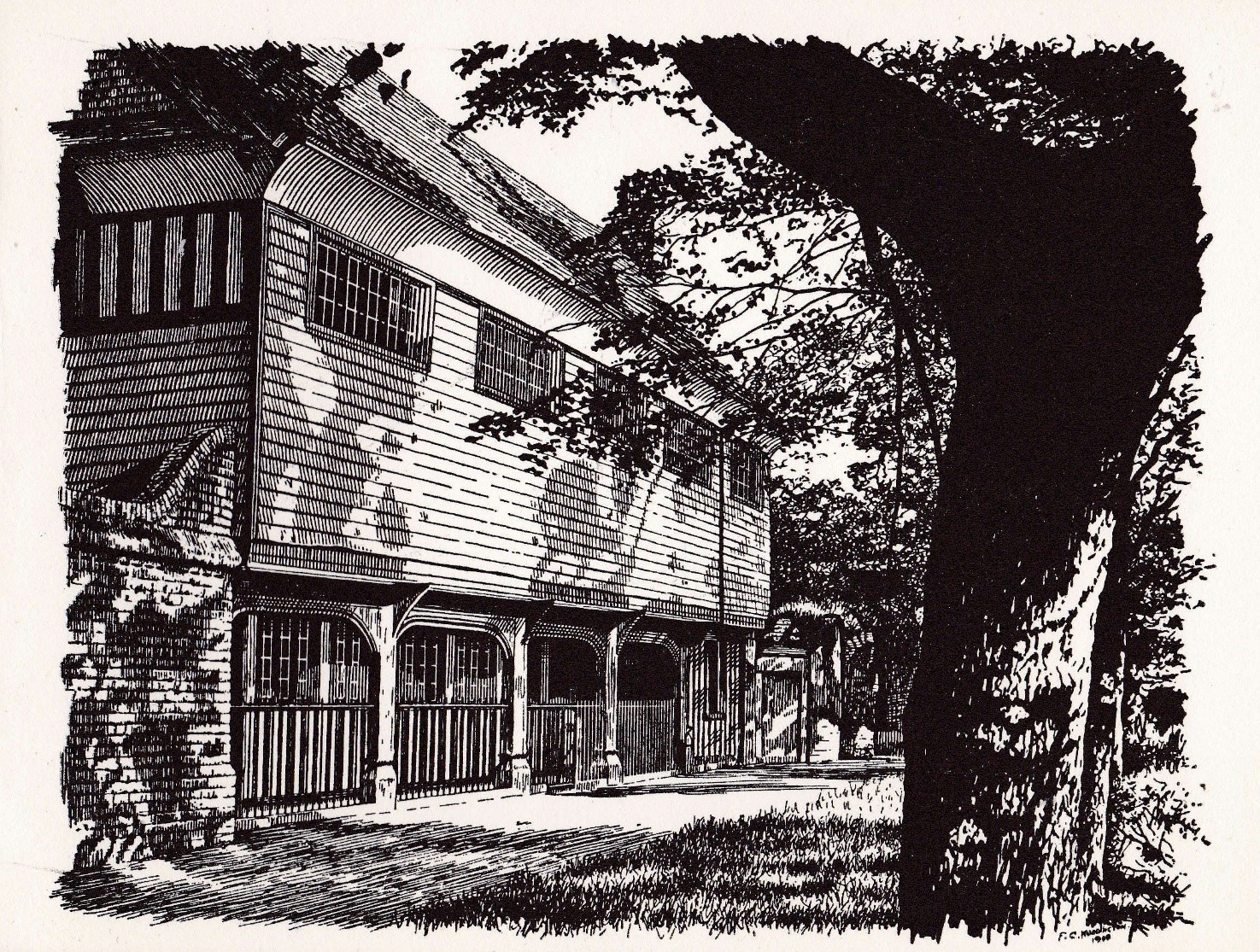
At the end of the Victorian era there was only one masonic lodge in Faversham. Driven very much by the increase in social mobility seen in the first decade of the 20 th Century, there was increasing demand to form another Masonic Lodge in Faversham. However, the start of the First World War in 1914 put thoughts of a second lodge in Faversham on hold for the duration.
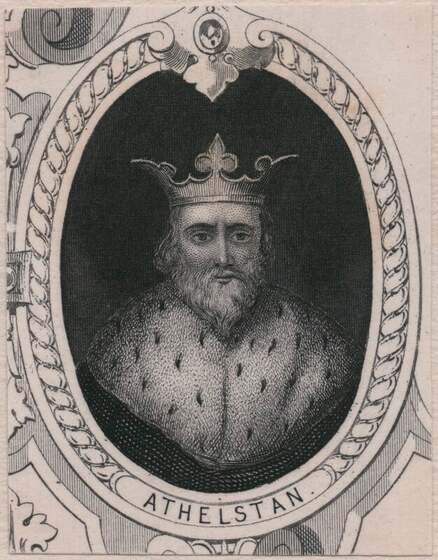
The name, Athelstan was inspired by a legend of the Craft found in the Old Charges; a term applied in a general sense to many old manuscripts relating to Masonry which have been discovered. Athelstan was King of England from 925-941 and oversaw the translation of the bible into English. He established a formal organisation for masons which may have led to Freemasonry in England. It is said that he granted a charter to the masons to hold an Assembly every year, with the King said to have “loved this craft full well”. It was therefore appropriate that the name Athelstan should be chosen for the new Faversham lodge